

$6,600.00
1,1,3,3-Tetramethoxypropane (Malonaldehyde Tetramethyl Acetal, 99%)
1,1,3,3-Tetramethoxypropane, also known as malonaldehyde tetramethyl acetal, is a high-purity organic compound (≥99%) commonly used as a chemical intermediate, analytical reagent, and malonaldehyde precursor. Known for its stability and reactivity under acidic conditions, it is widely employed in chemical synthesis, pharmaceutical development, and research laboratories.
Description
Chemical Specifications
| Property | Details |
|---|---|
| Chemical Name | 1,1,3,3-Tetramethoxypropane |
| Synonyms | Malonaldehyde tetramethyl acetal |
| Molecular Formula | C7H16O4 |
| Molecular Weight | 164.20 g/mol |
| CAS Number | 102-52-3 |
| Purity | ≥ 99% |
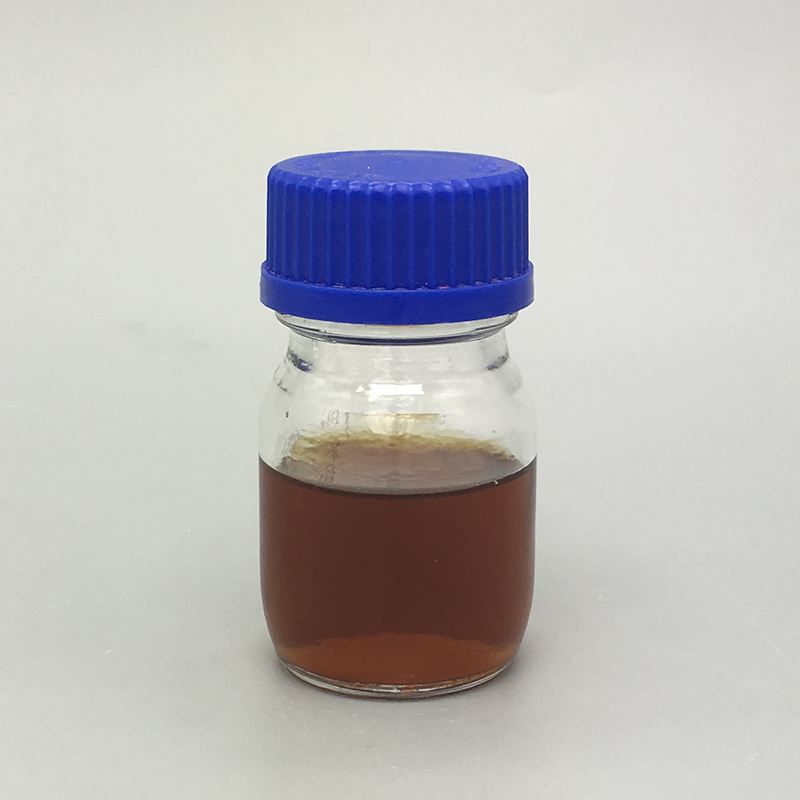
| Appearance | Clear, colorless liquid |
| Boiling Point | ~169–171°C |
| Density | ~1.06 g/mL at 25°C |
| Solubility | Miscible with most organic solvents |
| Odor | Mild, ether-like |
| Stability | Stable under neutral and basic conditions |
Description and Chemical Profile
1,1,3,3-Tetramethoxypropane is the tetramethyl acetal derivative of malonaldehyde, which makes it a stable storage form of the highly reactive and unstable malonaldehyde. Under acidic hydrolysis, it releases malonaldehyde (propanedial), a dialdehyde known for its role in biochemical and lipid peroxidation studies.
This makes tetramethoxypropane a preferred reagent in analytical chemistry, especially in assays measuring lipid peroxidation products such as thiobarbituric acid reactive substances (TBARS).
Applications
1. Biochemical & Medical Research
Tetramethoxypropane is used extensively in TBARS assays to quantify malondialdehyde (MDA) — a biomarker of oxidative stress and lipid peroxidation in biological systems. It is often employed to create calibration standards in clinical and biomedical research.
2. Organic Synthesis
As a masked dialdehyde, it acts as a precursor to reactive carbonyl compounds, offering greater control in multi-step reactions. It’s particularly valuable in synthesis strategies involving aldehyde protection, nucleophilic additions, or cross-linking reactions.
3. Polymer & Material Science
The compound’s reactivity profile also makes it suitable for specialized applications in resin modification, polymer cross-linking, and material engineering, where controlled release of malonaldehyde is advantageous.
Safety and Handling
While 1,1,3,3-Tetramethoxypropane is generally considered stable and less volatile than malonaldehyde itself, it should be handled with standard laboratory precautions:
-
Store in a cool, dry, and well-ventilated area
-
Keep away from acids and oxidizing agents
-
Use appropriate personal protective equipment (gloves, goggles, lab coat)
-
In case of contact with acid, it may hydrolyze and release irritant vapors
Always refer to the Safety Data Sheet (SDS) for detailed guidance.
Conclusion
1,1,3,3-Tetramethoxypropane (Malonaldehyde Tetramethyl Acetal, 99%) is a valuable compound in both scientific research and industrial synthesis, offering a stable and high-purity solution for working with reactive dialdehydes. Its role in lipid peroxidation assays, along with its effectiveness as a synthetic intermediate, makes it an indispensable tool in modern chemistry labs. Its reliable performance, safety, and versatility continue to make it the compound of choice for precision applications.