₱57,110.00
2-Hydroxypropyl Methacrylate (HPMA) – A Key Reactive Monomer for High-Performance Polymers
Introduction
2-Hydroxypropyl Methacrylate (HPMA) is a clear, colorless, and low-viscosity liquid that serves as an essential functional monomer in the formulation of advanced polymers, coatings, adhesives, and inks. Belonging to the methacrylate family, HPMA combines a reactive methacrylate group with a hydrophilic hydroxyl group, making it ideal for both crosslinking and hydrophilic performance in polymer networks.
Its balanced chemical structure offers superior adhesion, chemical resistance, and flexibility in a wide range of applications, especially in water-based coatings, UV-curable formulations, and high-performance acrylic resins.
Description
Chemical Identity
-
Chemical Name: 2-Hydroxypropyl Methacrylate
-
Abbreviation: HPMA
-
Chemical Formula: C7H12O3
-
Molecular Weight: 144.17 g/mol
-
CAS Number: 27813-02-1
-
EC Number: 248-666-3
Specifications of 2-Hydroxypropyl Methacrylate
| Property | Specification |
|---|---|
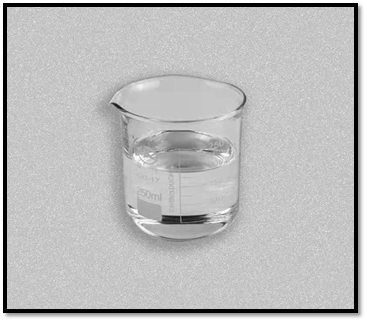
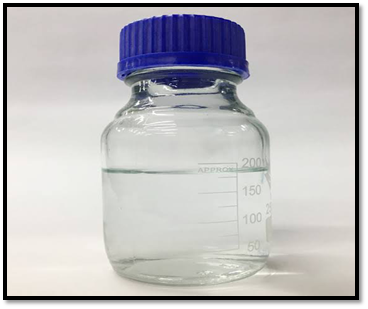
| Appearance | Clear, colorless liquid |
| Purity | ≥ 96% |
| Boiling Point | ~100–102°C at 5 mmHg |
| Density (20°C) | 1.03 g/cm³ |
| Viscosity (25°C) | 20–30 mPa·s |
| Flash Point (Closed Cup) | 99°C |
| Refractive Index (n20/D) | 1.451 – 1.454 |
| Solubility | Miscible with water and most organic solvents |
| Stabilizer Content | Typically contains MEHQ (monomethyl ether hydroquinone) as inhibitor |
Applications of HPMA
🔬 Coatings and Surface Finishes
HPMA is widely used in industrial coatings, protective topcoats, and UV-curable paints. Its hydroxyl group allows for crosslinking with isocyanates or melamine resins, improving durability, scratch resistance, and chemical stability.
🖨️ Printing Inks and Adhesives
As a functional monomer, HPMA enhances adhesion to various substrates and boosts flexibility and resistance to yellowing in inks and pressure-sensitive adhesives.
🧴 Medical and Personal Care Polymers
HPMA is also utilized in the development of biocompatible hydrogels, dental materials, and drug delivery systems due to its ability to form hydrophilic, crosslinked structures.
🏭 Acrylic Resins and Elastomers
It plays a critical role in emulsion polymerization, producing flexible, impact-resistant acrylic resins used in automotive parts, plastic coatings, and construction materials.
Handling and Safety
-
Hazards: HPMA is classified as an irritant and may cause skin or eye irritation.
-
Personal Protective Equipment (PPE): Use gloves, goggles, and protective clothing.
-
Storage Conditions: Store in a cool, dry place away from sunlight and ignition sources. Keep container tightly closed and protected from oxygen to prevent premature polymerization.
Conclusion
2-Hydroxypropyl Methacrylate (HPMA) is a versatile monomer with a broad spectrum of industrial applications, thanks to its unique chemical properties. Its ability to improve adhesion, flexibility, and chemical resistance makes it indispensable in coatings, adhesives, inks, and medical-grade polymers. With high purity and excellent reactivity, HPMA remains a preferred material for formulators seeking durable, high-performance, and customizable polymer solutions.