

$1,000.00
Zinc Acetate: A Versatile Zinc-Based Compound for Industrial and Pharmaceutical Applications
Zinc Acetate, with the chemical formula Zn(CH₃COO)₂ or Zn(OAc)₂, is a white crystalline solid widely recognized for its role in various pharmaceutical, chemical, and industrial applications. This zinc salt of acetic acid is available in both anhydrous and dihydrate forms, though the dihydrate form is more commonly used due to its excellent solubility in water and ease of handling.
As a high-purity zinc compound, zinc acetate is known for its antimicrobial, antioxidant, and nutritional properties. It is used in everything from dietary supplements and cold treatments to catalysts, textile dyeing, and polymer stabilizers.
Description
🔬 Zinc Acetate Specifications
| Property | Specification |
|---|---|
| Chemical Name | Zinc Acetate Dihydrate |
| Chemical Formula | Zn(CH₃COO)₂·2H₂O |
| CAS Number | 5970-45-6 |
| Molecular Weight | 219.5 g/mol |
| Zinc Content (Zn) | 30 – 31.5% |
| Purity | ≥ 99% |
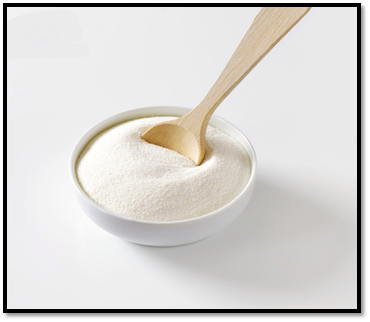
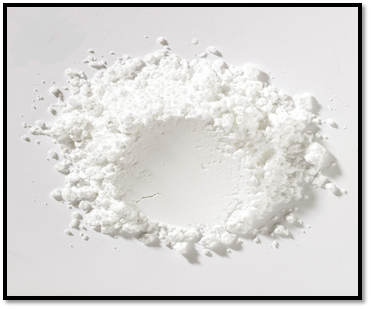
| Appearance | White crystalline powder |
| Solubility in Water | Soluble (430 g/L at 20°C) |
| pH (5% solution) | 6.0 – 7.5 |
| Melting Point | 237°C (decomposes) |
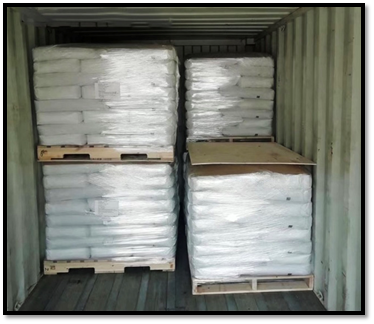
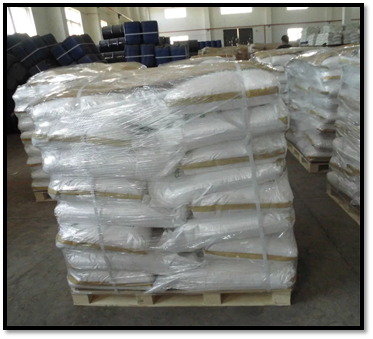
| Packaging | 25 kg fiber drums or HDPE bags with inner liner |
| Shelf Life | 24 months in original sealed packaging |
💡 Applications of Zinc Acetate
1. Pharmaceutical and Nutraceutical Industry
Zinc acetate is used in the formulation of zinc supplements and lozenges to help reduce the duration and severity of the common cold. It is also used to treat zinc deficiencies, which are linked to immune dysfunction and poor wound healing.
2. Chemical Catalyst
It acts as a Lewis acid catalyst in various organic synthesis reactions, particularly in esterification and transesterification processes.
3. Polymer Industry
Zinc acetate is used as a cross-linking agent and stabilizer in the production of polyesters, vinyl acetates, and other plastic materials.
4. Textile and Dyeing
In the textile industry, zinc acetate is utilized as a mordant, helping dyes bind effectively to fabrics, especially in natural dyeing processes.
5. Laboratory Reagent
Commonly used in analytical chemistry and research laboratories, zinc acetate serves as a precursor for other zinc compounds.
✅ Key Benefits
-
✔️ High purity (≥ 99%), suitable for sensitive pharmaceutical applications
-
✔️ Water-soluble, making it easy to formulate in solutions and mixtures
-
✔️ Provides a bioavailable source of zinc for human and animal health
-
✔️ Versatile for use in catalysis, polymer chemistry, and dyeing
-
✔️ Non-toxic and environmentally friendly when used as directed
⚠️ Safety & Handling
Zinc acetate is generally safe when handled properly. However:
-
Use gloves and protective eyewear during handling
-
Avoid inhalation or ingestion of large quantities in industrial settings
-
Store in a cool, dry place, tightly sealed away from moisture and incompatible materials
📌 Conclusion
Zinc Acetate is a high-performance, multifunctional compound with applications ranging from nutritional supplements to industrial catalysts. Its high purity, solubility, and stability make it a dependable choice for professionals across the pharmaceutical, chemical, and manufacturing sectors. Whether you’re fortifying a health product or optimizing an industrial reaction, zinc acetate delivers efficiency, safety, and reliability.

![Copper Sulfate Monohydrate [CuSO₄·H₂O] Powder – Cu 34% Min](https://hayasco-cc-suppliestrading.com/wp-content/uploads/2025/09/camachem_-_copper_sulfate_monohydrate_4_-300x300.jpg)